August 1, 2026
Flagstaff Real Estate Market Update: August 2026
Current trends, median prices, inventory levels, and outlook for residential and commercial real estate in Flagstaff and Northern Arizona.
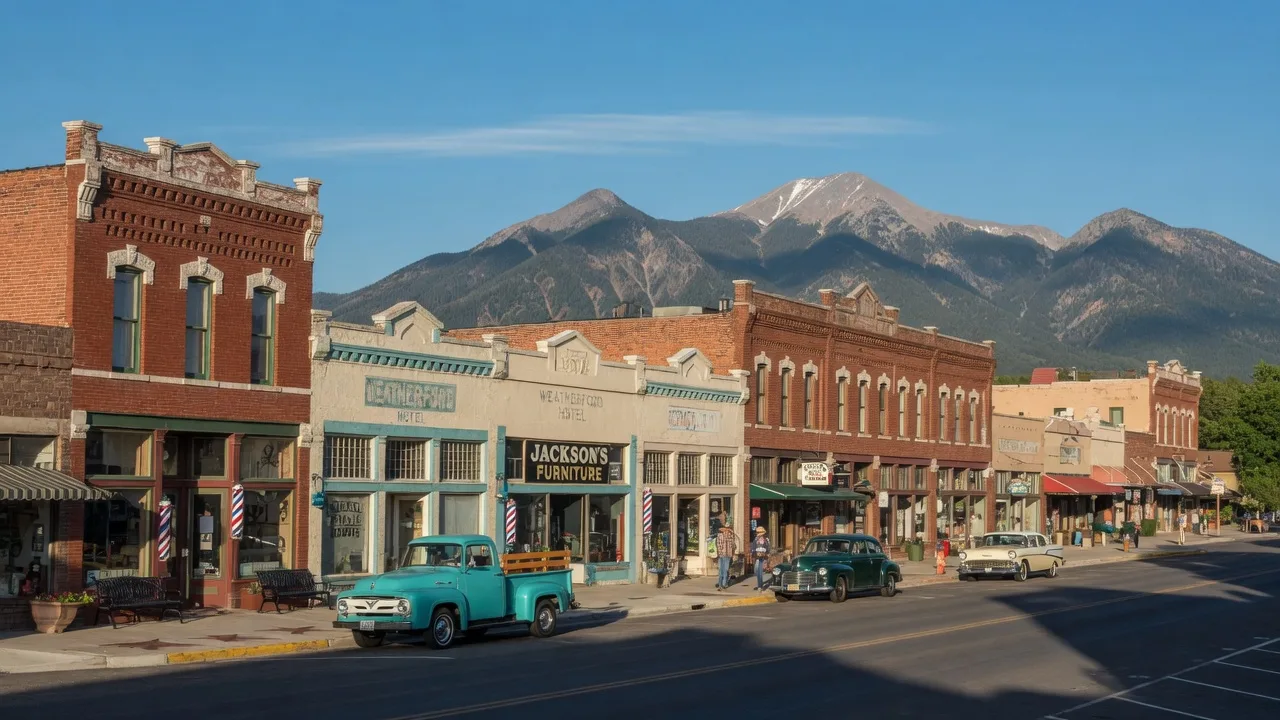
Flagstaff's real estate market continues to evolve through mid-2026, shaped by persistent demand, constrained inventory, and the unique economic forces of Northern Arizona's mountain communities.
Residential Market Overview
The Flagstaff residential market in 2026 reflects the broader trends seen across high-demand mountain West communities. Median home prices have stabilized after the rapid appreciation of the early 2020s, but affordability remains a defining characteristic of the market. As of mid-2026, the median single-family home price in Flagstaff sits at approximately $640,000, a modest increase year over year reflecting steady demand rather than speculative growth.
Inventory levels remain historically low. Flagstaff typically carries 2 to 3 months of supply, well below the 6 months that signals a balanced market. New construction has struggled to keep pace with population growth, constrained by limited developable land, higher construction costs, and the city's careful approach to zoning and density.
Homes priced between $450,000 and $700,000 see the most activity, often receiving multiple offers within the first week. Well-priced properties in desirable neighborhoods such as Ponderosa Trails, University Heights, and the historical districts continue to command premium pricing. Sellers who price strategically and present their homes well are still achieving favorable outcomes.
Commercial Real Estate Conditions
Flagstaff's commercial real estate market tells a story of constrained supply meeting consistent demand across multiple asset classes. Vacancy rates for retail and office space remain below national averages, driven by the city's role as the commercial hub for Northern Arizona and its growing population base.
Retail: The retail sector continues to perform well, particularly along the Route 66 corridor and in downtown Flagstaff. Tourism-driven demand for restaurants, shops, and services supports rental rates that have increased steadily. Vacancy in prime retail corridors is estimated at 4 to 6 percent.
Office: Flagstaff's office market has proven more resilient than national trends might suggest. With NAU, Flagstaff Medical Center, and government agencies as major employers, demand for professional office space in well-located properties has held steady. Vacancy rates are estimated at 8 to 10 percent, significantly better than the national average.
Industrial and flex: Industrial and flex space is among the tightest segments of the market, with vacancy rates often below 3 percent. The growth of logistics, construction, and outdoor recreation manufacturing has driven demand for warehouse, distribution, and light industrial space that far exceeds available supply.
Investment Market Dynamics
Commercial investment activity remains strong across Northern Arizona. Cap rates for well-located retail properties range from 6 to 8 percent, while multifamily assets trade in the 5 to 6.5 percent range depending on age, condition, and location. Industrial properties, given their extreme supply constraints, can command cap rates in the 5.5 to 7 percent range.
Investors from Phoenix, California, and other out-of-state markets continue to show interest in Flagstaff, drawn by the city's quality of life, institutional demand floor from NAU, and long-term appreciation potential. The limited inventory of investment-grade properties means that off-market relationships and local market knowledge are critical to sourcing opportunities.
Key Economic Drivers
Understanding Flagstaff's real estate market requires understanding the forces that make it unique:
- NAU enrollment: Northern Arizona University enrolls approximately 30,000 students, creating a recession-resistant demand floor for residential rentals, retail, and services. The university's continued investment in campus facilities and programming supports long-term economic stability.
- Tourism: As the gateway to the Grand Canyon and a Historic Route 66 destination, Flagstaff attracts millions of visitors annually. Tourism supports hospitality properties, vacation rentals, retail, and service businesses throughout the region.
- Geographic constraints: Flagstaff sits at 7,000 feet elevation, surrounded by the Coconino National Forest. Limited developable land and restrictive zoning naturally cap supply, supporting property values for well-located assets.
- Economic diversification: Healthcare, education, technology, government, and outdoor recreation provide a diversified economic base that insulates the market from sector-specific downturns.
Outlook for the Remainder of 2026
The Flagstaff real estate market is expected to remain balanced in favor of sellers and property owners through the remainder of 2026. Interest rates, while higher than the historic lows of 2020-2021, have stabilized, and buyer sentiment shows signs of adjusting to the new normal. For sellers, realistic pricing and strong property presentation remain essential. For buyers, working with an agent who understands the market's nuances and can identify opportunities before they hit the public listings is a meaningful advantage.
In the commercial sector, the story continues to be supply. Northern Arizona's commercial inventory is unlikely to expand significantly in the near term given construction costs, land availability, and regulatory factors. This supply constraint, paired with consistent demand, supports a favorable outlook for property owners and investors with a long-term horizon.

Mike Konefal
Commercial Real Estate Agent · Coldwell Banker Northland Realty
Have questions about this market update? Contact Mike for a conversation about current conditions and opportunities.
Contact Mike Konefal