September 16, 2026
Flagstaff in Fall: When Aspens Peak and How the Season Shapes the Market
Peak color timing for 2026, the best places to see Flagstaff's aspens, and why fall is one of the most telling seasons for the local real estate market.
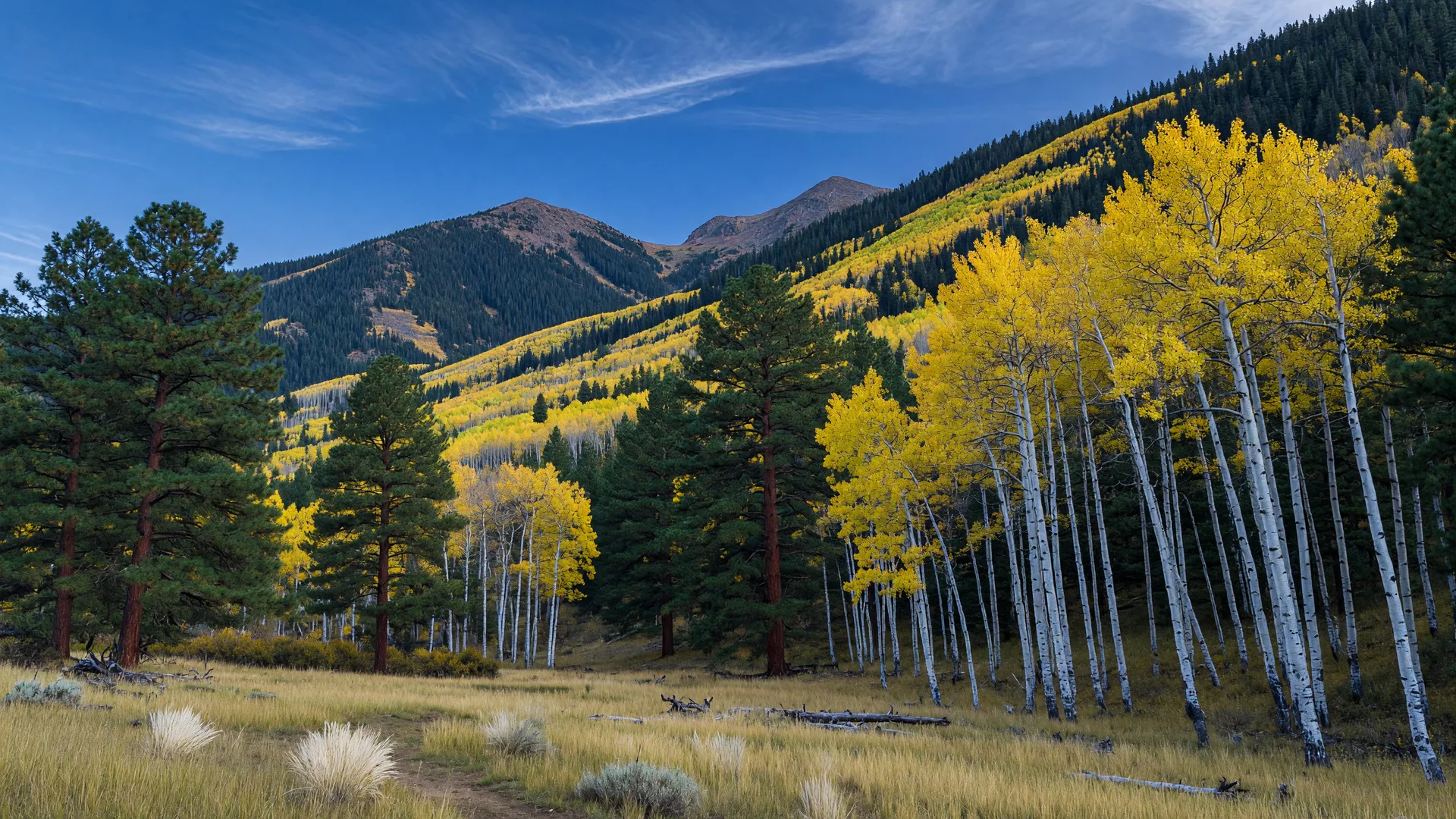
Flagstaff's aspen season runs from late September into October, with peak color typically arriving in the first three weeks of October at town elevations around 7,000 feet. This guide covers when the aspens peak in 2026, the best places to see them, and how the season fits into the rhythm of the Flagstaff real estate market.
When Flagstaff's aspens peak
Fall color arrives by elevation. The aspens begin turning at the highest elevations of the San Francisco Peaks around mid-September, then the show works its way down toward town through October. Most local guides put peak color at roughly the first through third weeks of October, with the window running shorter than you might expect: aspens can go from first color to bare in about two weeks once the change begins in earnest.
The color depends on weather from week to week, which is why Discover Flagstaff publishes its LEAF-Ometer tracker every fall. It is updated through the season with real-time conditions at Snowbowl, Lockett Meadow, and other classic viewing areas, so it is the best single source for deciding when to go. A cold, windy week can strip the leaves quickly; a calm, mild stretch can hold peak color longer.
Best places to see fall color near Flagstaff
The Coconino National Forest manages much of the mountain land around Flagstaff where the aspens grow, and the most iconic groves are all within a short drive of town:
- Lockett Meadow and the Inner Basin: The classic Flagstaff aspen experience, a golden bowl of aspens against the north slope of the Peaks. Access is via Forest Road 522 from the Flagstaff urban interface; check road conditions in wet years, when the Forest Service can close access.
- Aspen Corner and the Aspen Nature Loop: Easy roadside viewing on Snowbowl Road, right where the aspens begin to thicken on the mountain. The short loop trail is one of the most accessible walks in the color zone.
- Arizona Snowbowl scenic chairlift: The lift runs into the fall and gives you a broad view of the color from above the treeline, a different perspective than the ground-level groves.
- Snowbowl Road scenic drive: The drive itself is a color tour, climbing from ponderosa pine into aspen stands with the Peaks overhead.
- Inner Basin Trail: For hikers, this route climbs through the largest aspen grove on the mountain into the high basin below the summits.
- Oak Creek Canyon: Farther south and lower in elevation, the canyon colors up later in the season, making it a good second stop as the high country fades.
- In town: Even without leaving the city, the NAU campus and neighborhoods with mature aspen plantings put on color around the same time as the lower slopes.
Practical tips for peak season
A few things worth knowing before you head out. Weekday mornings are far quieter than weekend afternoons, and parking at the most popular spots fills early. Dress for a mountain fall: mornings can be near freezing at 9,000 feet even when Flagstaff itself is mild. And because the color window is short, if you have your eye on a specific grove, do not wait for a perfect forecast, the leaves will not.
Why fall matters for the Flagstaff market
For buyers, fall is the season when Flagstaff shows itself at its best, and the tourism corridor that surrounds the mountains is a reminder of why demand here holds up. Grand Canyon National Park recorded about 4.43 million recreation visits in 2025, according to the National Park Service, a pullback from its record 4.92 million in 2024, and the South Rim gateway traffic flows right through Northern Arizona, including the historic rail connection from Williams. That steady visitor economy supports the hospitality, retail, and service commercial sectors that anchor much of the region's commercial real estate.
On the residential side, fall is typically the last full season of serious showing activity before winter weather slows the pace. The timing works for sellers: homes show well with fall color in the yard and mountain light in the windows, and buyers who make the trip in October are usually motivated, since they have already weighed the winter commute and the snow. Winter showings slow but do not stop, and buyers who look from November through February face less competition and more room for negotiation.
The bottom line
Plan the leaf trip for the first three weeks of October, check the Discover Flagstaff LEAF-Ometer before you go, and remember the window is short. If you are also considering a move, fall is one of the best times to see Flagstaff neighborhoods at their most livable, with the school year underway and the community fully active.
Whether you are coming to see the aspens or thinking about buying, selling, or investing in Flagstaff and Northern Arizona, Mike Konefal is happy to talk through the market, the neighborhoods, and what fits your goals.
Sources
- Discover Flagstaff, LEAF-Ometer fall color tracker (flagstaffarizona.org)
- USDA Forest Service, Coconino National Forest Fall Colors (fs.usda.gov)
- Flagstaff.com, Where to Find the Best Fall Colors in Flagstaff (flagstaff.com)
- Roadtrippers, Arizona aspen fall foliage (roadtrippers.com)
- National Park Service, Grand Canyon National Park Park Statistics (nps.gov)
- KNAU, "Grand Canyon National Park visitation dropped in 2025" (knau.org)
- Visit Arizona, The Grand Canyon by Rail (visitarizona.com)
Peak color timing shifts with weather each year. Check current conditions before you head out, and note that visitation figures reflect the most recent published National Park Service data.

Mike Konefal
Commercial Real Estate Agent · Coldwell Banker Northland Realty
Questions about buying, selling, or investing in Flagstaff or Northern Arizona? Contact Mike for a conversation about the market and what fits your goals.
Contact Mike Konefal