Commercial Real Estate FAQ · Flagstaff, Arizona
Buying, leasing, land and development, investing, and selling commercial property in Flagstaff and Northern Arizona, answered directly by Mike Konefal, Broker Associate with Coldwell Banker Northland.
928-853-3810 · mike@flagstaffrealestate.com · License SA690466000
The Commercial FAQ
This page collects the commercial real estate questions Mike Konefal, Broker Associate at Coldwell Banker Northland, is asked most often: buying, leasing, land and development, investing, and selling commercial property. Every answer opens with the direct answer first, then the practical how-to, so you get the substance even if you read only the first paragraph.
Flagstaff and Northern Arizona have their own characters: university-driven demand, tourism along the I-40 and Route 66 corridor, and a limited commercial inventory. Where a specific market figure is needed, the honest answer is that the number moves, and the current figure comes from the active market, which Mike sources on each inquiry.
If no listed opportunity exists for your use, that is not a dead end. Mike works off-market opportunities and can discuss a specific market search for your property type and corridor.
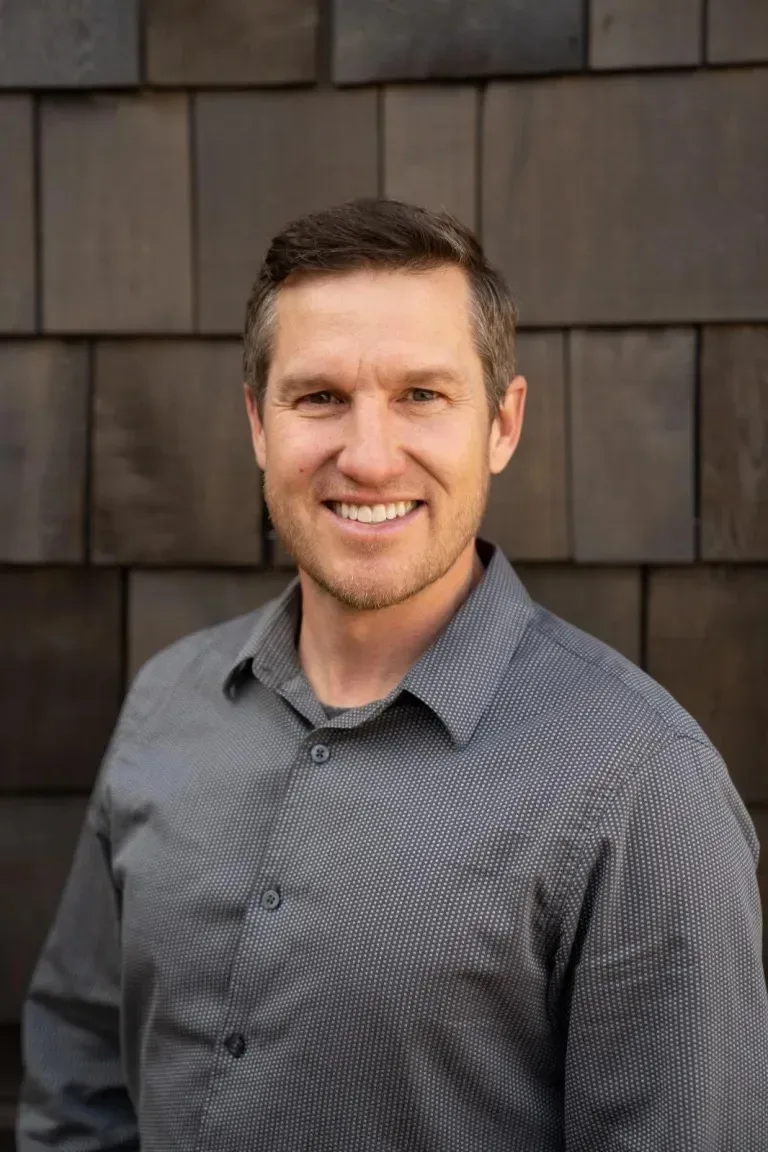
Mike Konefal
Broker Associate · Coldwell Banker Northland
Jump to a Topic
Buying Commercial Property
Buying commercial property is a different process from a home purchase: more capital at risk, heavier due diligence, and a transaction driven by what the property earns. These are the first questions buyers ask when they start looking in Flagstaff and Northern Arizona.
Buying a commercial property starts with the same discipline every time: define the use, size, budget, and timeline, then match that criteria against what is actually on the market. Mike builds a target profile, researches current listings and off-market options, and gets you ready to act when the right property appears.
Once a property is under contract, the work shifts to diligence: financial review, physical inspection, zoning verification, financing, and finally the closing process. Across Northern Arizona, quality commercial inventory is limited, so being prepared to move when the right property appears matters as much as the analysis itself.
Conventional commercial loans commonly require a 20% to 30% down payment, and sometimes more for land or harder-to-finance assets. Owner-users can often do better through SBA financing, where an eligible owner-occupied purchase can be financed with a down payment closer to 10%.
Your actual requirement depends on the lender, the property type, your credit, and whether you will occupy the building. Mike helps you match the financing structure to the deal and can point you to lenders who understand Flagstaff commercial transactions.
Yes, for many owner-user purchases. The SBA 504 and 7(a) programs exist for a business that will occupy a majority of the building, and they offer meaningfully lower down payments than conventional commercial loans, often near 10%.
Pure investment purchases, where the buyer does not occupy the property, generally do not qualify for owner-user SBA programs and are financed conventionally instead. Run the numbers through your lender early so the financing structure is clear before you sign a contract.
Buy instead of lease when you want the building as an asset, you need to control the space long term, and you have the capital to finance it. Lease when you want flexibility, when capital is better invested in the business itself, or when the pace of your growth does not justify a long-term real estate commitment.
The same building can be a smart buy for one business and a smart lease for another. The lease term, the down payment, the rental rates, and what that capital could earn inside the business are what decide it. Mike models both paths with the actual Flagstaff market numbers before you decide.
Commercial due diligence verifies what the numbers and the property actually are before it is too late to back out. You review the real rent roll and expenses, physical condition, zoning, environmental risk, title, and tenant commitments so you are not buying surprises, deferred maintenance, or legal risk.
The depth of diligence should match the size and complexity of the deal, but skipping it is the classic way commercial buyers get burned. Mike runs this process with the same discipline on every transaction, from the first contract signature through closing.
At minimum, a commercial purchase includes a professional building inspection covering structure, roof, foundation, HVAC, plumbing, and electrical, plus title review and an environmental screening. Larger or older buildings typically add a Phase I Environmental Site Assessment and sometimes a geotechnical study.
Restaurant, warehouse, and industrial uses carry their own inspection standards around exhaust, drainage, septic, or code compliance. Define the scope early, because findings can be negotiated before closing or used to adjust the price.
You compare the asking price to what the property actually produces and to what similar properties have sold for recently. The income approach matters most for investment property: if the lease income does not support the price at a market cap rate, the price is hard to justify no matter what the seller says.
Mike prepares a written pricing view with current comparable sales and local income data before you submit an offer. If a property is priced above what the market pays, he tells you directly, then helps you negotiate to a fair number or walk away.
Owner-user commercial real estate is a property your own business occupies: a storefront, office, workshop, or warehouse your company bought to use. It is the category SBA financing is built for, with higher loan limits, lower down payments, and longer terms than standard investment loans.
Many Flagstaff business owners buy the small building their business already rents, turning rent into ownership while locking in their location. Tell Mike your business use and size, and he can help you identify owner-user buildings, including off-market options.
Seller financing means the seller carries a note for part of the purchase price instead of requiring all cash, so the buyer pays the balance over time just as they would to a bank. It is most common when traditional lending is hard to fit, or when a seller wants to move a property and a buyer needs flexible terms.
The structure is a mortgage note with a negotiated rate, term, and security, and it needs the same scrutiny as any financing. Mike works with both bank-financed and seller-financed deals and makes sure the terms are documented and priced fairly for both sides.
Leasing Commercial Space
Lease terms written by the landlord become the most common sticking point in commercial real estate. These questions cover what the rent actually means, who pays for what, and how to negotiate terms that protect your business.
Rents in Flagstaff depend on building type, location, condition, and term, and they move over time, so there is no useful single number. The honest answer is a current market range by asset class and corridor, which Mike benchmarks from the actual asking rates every time he runs a search.
If nothing advertised fits your criteria, he can negotiate concessions on existing space or run an off-market search with landlords who do not advertise. Tell him your space type, size, and target area and he gives you a real number for the search.
It is the standard way rent is quoted: dollars per square foot per year. A $24.00/SF/YR rate on a 2,000 square foot space means $48,000 a year in base rent, or about $4,000 a month, before any additional expenses the lease passes to you.
CAM is one of the cost pools some leases pass to tenants: common area maintenance. It covers the shared costs of running the property, like parking lots, landscaping, snow removal, hallways, common lighting, and in many buildings a management fee.
What matters is what is exactly in the pool, whether the increases are capped, and whether the landlord provides the annual statement to back it up. Mike reviews the CAM line items and caps before signing, because it is a recurring part of the real cost of the space.
It depends on the lease structure, and every repair should be assigned in writing. In a gross lease the landlord usually handles operating repairs, while in a net lease tenants carry more, and structural systems like the roof and main HVAC typically stay the landlord's responsibility under either.
Whether you are signing for office, retail, or industrial space, the single most important step is reading who owns the roof, the structure, and the systems before you commit. Everything goes in writing; after signing is too late.
Yes. Rent concessions are common in commercial leasing, and free rent is a standard tool. Landlords frequently offer a month or more of free rent in exchange for a longer term, a firm rate, or a tenant that commits to buildout.
The point is to make the whole package work for you, because free rent, the tenant improvement allowance, the term, and the effective rent are connected. A free month can be less valuable than a lower rate across the full term, so the negotiation happens as a package.
A tenant improvement allowance, or TI for short, is the budget the landlord contributes toward building out the space for your use. It is quoted as a dollar amount or a per square foot figure, like $20/SF toward your improvements.
The allowance is not always the whole buildout. If the actual work costs more, the tenant pays the difference, which is why TI and rent are negotiated together. A larger allowance usually comes with a longer term, so the math should be reviewed across the full lease.
In a full service gross lease, one rent number covers everything and the landlord handles taxes, insurance, and maintenance inside it. In a triple net (NNN) lease the tenant pays base rent plus a share of the property taxes, insurance, and building maintenance.
The difference can be a large swing in the real monthly cost. Understand which structure you are signing before you compare locations, because the printed rate does not tell the whole story on its own.
Flagstaff commercial leases commonly run three to five years, with longer terms where tenant improvements or franchise landlords are involved. A longer term usually lowers the rate and spreads the buildout cost, while a shorter term gives flexibility but typically costs more.
Check the building systems first: zoning for food service, exhaust hood and vent approval, grease trap and drainage, plumbing capacity, and power and gas for the kitchen load. A space marketed as restaurant ready still has to pass health and fire code inspection for your exact menu.
Restaurant fit outs are among the most expensive commercial builds, and the difference between a certified kitchen and a shell depends on the hood, grease, and plumbing that already exist. Have an experienced contractor or kitchen engineer inspect the exhaust and grease systems before you sign.
Not legally required, but very likely to save more than it costs. A tenant representation broker benchmarks the market, verifies lease terms, checks expense pass throughs, and negotiates rent, increases, and renewals. Because most offers are quoted from the landlord side, that representation changes the real cost.
Mike represents both tenants and landlords. If you have already found the space, he reviews the offering and negotiates the important terms, CAM caps, escalations, buildout, and renewal rights included.
Commercial Land & Development
Land is where the most value and the most risk sit together in real estate. These questions cover zoning, utilities, entitlements, and whether a site can actually become what you plan to build.
Your intended use must be a permitted or conditional use in the zone that covers the parcel. Flagstaff and Coconino County publish zoning maps and use tables that state exactly what can open there, retail, office, storage, hospitality, or industrial.
Usually yes, where self storage is allowed by right or by conditional use in the zoning district, and interest in Flagstaff is strong. Self-storage attracts developers because it is a low operating cost, cash generating asset with straightforward operations in most commercial and industrial zones.
The test is specific to each parcel: zoning, size, utilities, drainage, traffic, and access. Tell Mike the site and the approximate number of units and he can discuss the zoning question and feasibility from the start.
Yes, but the answer is in the specific property, not a general rule. RV parks, campgrounds, and glamping sites must be in a zone that allows them, and the design has to meet local and state standards for water, wastewater, setbacks, and fire safety.
Arizona has real demand for tourism and outdoor hospitality, and Williams and the Route 66 corridor are working examples. Which use fits, RV park, cabins, or glamping, depends on the site and its zoning. That is a conversation worth having with Mike about the specific piece of land.
No. A parcel comes with access; utilities do not always exist. Electricity, water, sewer, and gas may stop at the property line or be entirely absent, especially outside city limits, and connecting them can be costly and slow.
Entitlement is the approvals a parcel needs before it can be developed: zoning that allows your use, plus any plats, permits, conditions, and jurisdiction approvals. Entitled land means that process is done, so the risk and timeline are lower and the value is higher.
The gap between entitled and unentitled land can be worth millions and can delay a project for years. That gap is exactly what the price is built on, so a land purchase always starts with the entitlement picture.
Highest and best use is the legally permissible, physically possible, and financially productive use that gives the land its greatest value. If a parcel is worth more as a mixed-use building than as a parking lot, then its highest and best use sets what it is actually worth.
This is the primary lens for raw land. A parcel can be underzoned, overpriced for what it can hold, or far more valuable if it is rezoned or assembled with a neighbor. The question of highest and best use drives the entire valuation discussion for commercial land.
You verify four things: what the zoning allows, whether utilities exist, how the property lies (slope, floodplain, bedrock, drainage), and what the jurisdiction expects. Only after those checks do you know whether the land is buildable at all.
Build-to-suit means the building is designed around one occupant's specific needs, often on a site the tenant owns or has under contract. A developer or investor builds the structure to the user's size, function, and finish, typically funded by a long term lease.
Build-to-suit is common for warehouses, storefronts, car facilities, and medical offices where the user needs exactly what they plan. The value is created at the acquisition and construction stage, and the long term lease is what finances it.
Highway frontage sites sit on the I-40 corridor, Route 66 through Williams, and the main commercial and tourist roads into Flagstaff and Sedona. They carry the highest value for retail, hospitality, and traveler services, and quality frontage with utilities does not stay on the open market long.
Describe the target corridor, use, and size to Mike and he can search known and off-market parcels along the interstate and Route 66.
Investing in Commercial Real Estate
Investor questions come down to one thing: whether the income makes sense. Cap rates, net operating income, leverage, and exchange math are the toolkit, and these answers explain how each piece works.
A cap rate is the first-year return a property produces from operations alone: net operating income divided by purchase price. A property with $150,000 in net operating income purchased at $1,875,000 trades at an 8% cap rate.
There is no single good number; the range depends on asset class, tenant quality, lease term, location, and interest rates at the time. A fully leased industrial building with a strong tenant usually trades at a lower cap rate than a value add site with vacancy and work.
Published national averages rarely match a specific Flagstaff asset, so the useful answer comes from actual local transfers. Mike pulls the recent closed sales and current investment rates to benchmark the specific property against what Northern Arizona buyers are paying.
NOI is the property's income after operating expenses but before debt, interest, capital improvements, and depreciation. Start with the potential gross rent and other income, subtract vacancy and credit losses, then subtract taxes, insurance, utilities, maintenance, management, and other recurring operating costs.
A triple net (NNN) investment shifts real estate taxes, insurance, and property maintenance to the tenant, so the owner's operating obligations are reduced to structural items. A single tenant leasing an entire building on a long term lease is the classic NNN structure.
The stability of a long term net lease appeals to owners and produces a lower yield risk, which usually means a lower cap rate. The tenant's credit quality is the whole game, so NNN analysis starts with who occupies the building and how long the lease runs.
A 1031 exchange lets you defer capital gains tax by selling an investment property and reinvesting the proceeds in a like-kind replacement property under Section 1031 of the tax code. The calendar rules are fixed: you must identify candidate replacement properties within 45 days of the sale and close on a replacement within 180 days.
The 45 day window is the identification deadline, the 180 day window is the closing deadline, and both are measured from the closing of the property you sold. The exchange must run through a qualified intermediary, and no cash should touch your account during the process.
A sale leaseback is when a business sells the building it owns and immediately leases it back, usually on a long term net lease, so operations continue without a pause. The company converts its equity into working capital while the investor gains a stable tenant and a leased asset.
It works best for owner occupied businesses that want the capital but need the location. The price is tied to the lease income the business agrees to pay, so the value and the operating business details are negotiated as one deal.
Start with the property's net operating income and the market cap rate, then layer on the financing: loan amount, down payment, monthly debt service, and cash flow after debt. That gives you cash on cash return and the debt service coverage ratio, and the equity picture over the hold.
A real analysis also tests the exit: what the property resells for when the lease resets, and at what cap rate. This site has a free analyzer that runs these numbers in the browser, and Mike builds pro forma and cash flow projections for every deal he pursues.
The honest answer is that it depends on a specific deal: the price, the property's income, the cost of money at the time, and the length of the hold. Right now carries meaning because cap rates, interest rates, and rents all move, and they move the value.
That is exactly why the analysis matters more than the general headline. Mike goes through the current market cap rates from recent transactions, the income the property produces, the leverage cost, and a realistic hold projection, and he tells you when the math works and when it does not.
Selling & Valuing Commercial Property
Commercial pricing is not the psychology market; the market sets value from income, comparable sales, and the property's highest and best use. Here is how the value is built and how the sale works.
Your commercial property is worth what a qualified buyer would pay for its income and position today. For income property the heart of the answer is the net income and cap rate, for land it is comparable sales and highest and best use, and for owner use it is the buyer who needs the space.
Mike prepares a written broker opinion of value: the current property cash flow, the quality of the leases, and the recent sales that set the market, before you spend anything on marketing. In a small commercial market like Flagstaff, that deal knowledge is what separates an opinion from a guess.
There are three approaches and the most relevant one wins: the income approach, converting cash flow into value through the cap rate; and the sales approach, comparing recent transfers of comparable buildings; and a cost approach, measured against the price to build the same structure.
For income producing buildings, value is typically the net income divided by the cap rate. The income approach is what buyers and lenders use most, because it matches how the market actually prices income property across Flagstaff.
Land value is set by the highest and best use and by comparable land sales with the same use and location. Development potential is the value, so zoning, entitlements, utilities, access, topography, flood, acreage, and corridor position all price the land.
Two adjacent parcels can be worth very different amounts when one is entitled and ringed with utilities and the other still needs years of approvals. Site analysis compares the actual trades for like use, then the feasibility of the intended development.
Divide the annual net operating income by the cap rate: a building producing $120,000 in NOI valued at a 6% cap rate is $2,000,000, while the same income at a 5.5% cap rate is about $2,180,000. The value moves directly with the cap rate you apply.
The cap rate you sell at is the market's answer: recent trades for the same construction type, location, and lease quality, not a number you choose. You choose the listing position and the story, and the market adjusts the price toward its own cap.
The seller role is to price with the market and back it up, then bring the right buyer. Mike prepares the full view, price, cap analysis, and the comparable support, and he puts the building in front of both the owner-users and the investor buyers who set the final price.
A broker opinion of value is a commercial broker's written estimate of a property's likely sale price, built from comparable sales, recent listings, income analysis, and local market judgment. It is the broker's professional view, tailored to your asset, and it does not replace a formal appraisal if the lender requires one.
The BOV is usually the best first pricing tool for the owner. It is faster than a full appraisal, it benchmarks the trade, and it speaks to what buyers of your asset type pay. Mike prepares a BOV as the first step for every commercial seller who comes to him.
The process runs in order: establish value with a BOV or market pricing, prepare the property and the financial package, market to the right buyer pool, review and qualify offers, and negotiate through diligence to closing. Commercial sales are measured in months, and a large part of the buyer contact happens quietly before a listing ever reaches the public sites.
The buyer pool is the main difference: a user pays for the building itself, an investor pays for the income stream, and they seldom offer the same amount. Mike ranks the buyers for your asset and structures the listing, the offers, and the close around the buyer most likely to pay.
Go Deeper
The FAQ gives you the answers; these pages give you the process, the deeper market, and the calculators.
The complete investor's guide: cap rates, NOI, the 1031 exchange in depth, value, financing, and the Flagstaff investment view.
Explore the Investor HubA free browser calculator: cap rate, cash on cash, DSCR, monthly debt, and a five year projection from the actual deal numbers.
Run the NumbersPrint ready checklists for the lease, the buyer, the land diligence, investment analysis, and the owner's valuation.
Get the ChecklistsStill Have a Commercial Question?
Tell him what you are trying to accomplish. You get a fast, direct answer backed by 26 years in Flagstaff and deep Northern Arizona market knowledge, not a script.
A direct conversation
Mike replies quickly with straight answers, not scripts.
Real market analysis
Comps, income analysis, cap rates, and deal structure shaped to your goals.
Confidential by default
Off-market opportunities stay off-market until you say otherwise.