Invest · Northern Arizona

Commercial Investment Property in Northern Arizona

Income property, NNN assets, cap rate and cash flow analysis, 1031 exchanges, and value-add opportunities across Flagstaff and Northern Arizona. Mike Konefal, Broker Associate at Coldwell Banker Northland, underwrites investments before you commit.

928-853-3810 · mike@flagstaffrealestate.com · License SA690466000

The Investor Market

Commercial Investment Property in Northern Arizona: Own the Number, Not Just the Building

Commercial investment property in Flagstaff and Northern Arizona is valued by the income it produces. University-driven demand from NAU, steady tourism along Route 66 and the Grand Canyon corridor, and limited commercial inventory create durable cash flow for the right assets, from net-leased retail and industrial buildings to small multi-tenant properties and mixed-use buildings.

The difference between a good investment and a bad one is decided in the underwriting: cap rate, NOI, lease quality, tenant risk, capital needs, and the exit. Mike brings the financial analysis to every opportunity, and he is a CCIM candidate, so the numbers are the foundation of the conversation, not an afterthought.

Send Mike your buy box: property type, price range, target cap rate, location, financing, and whether you are buying for cash flow, a 1031 exchange, or long-term appreciation. He will watch the listed and off-market market for matching opportunities.
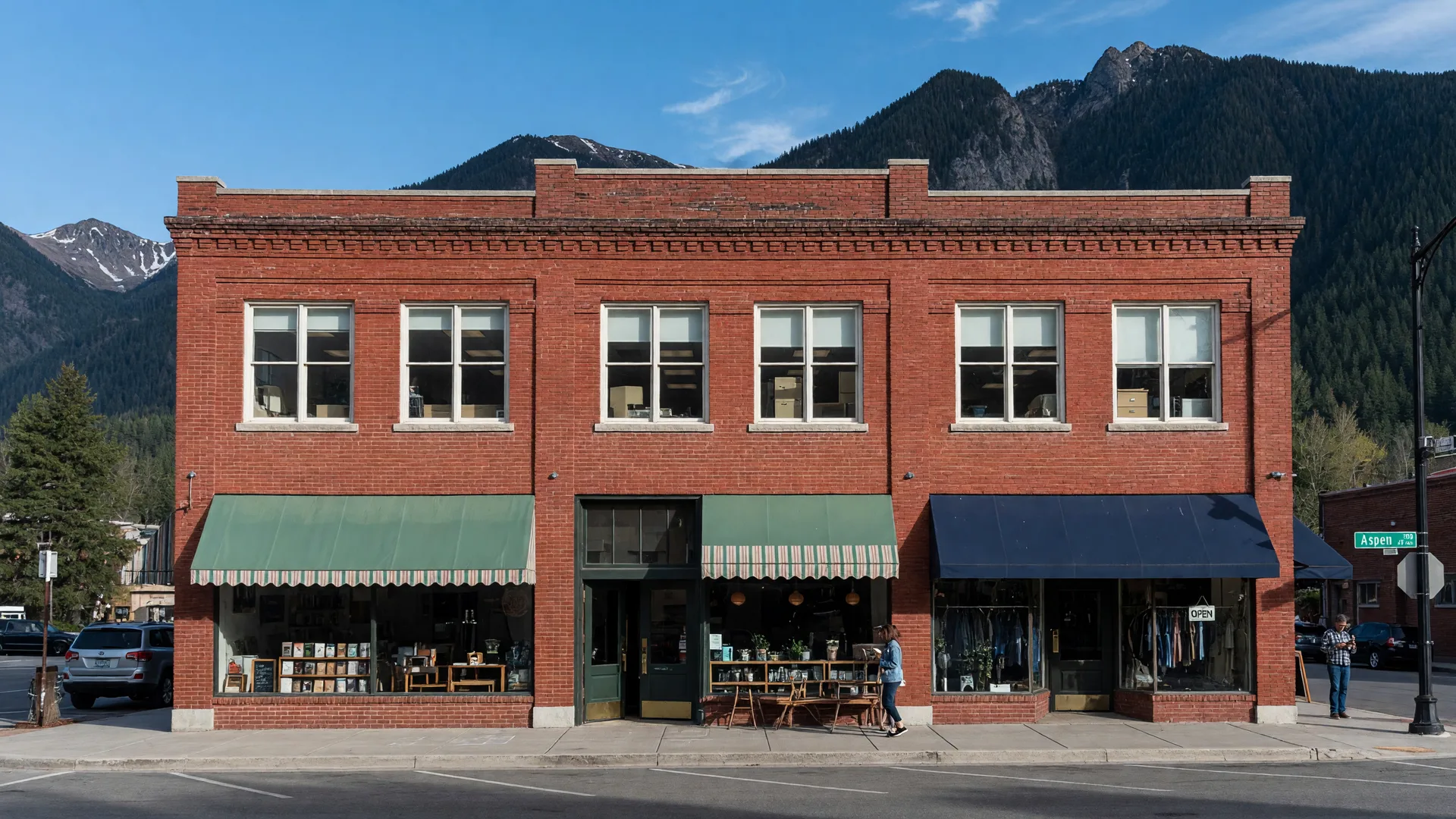
Stately mixed-use commercial investment building with storefronts in a Northern Arizona mountain downtown

Investment Strategies

Ways to Invest in Northern Arizona Commercial Property

Every strategy answers the same question differently: what income does this property produce, and what risk does it carry?

NNN net-leased property

Single-tenant retail, industrial, or office where the tenant covers taxes, insurance, and maintenance. Predictable income tied to the tenant’s credit and the lease term.

Multi-tenant income property

Small office buildings, retail centers, or mixed-use with multiple tenants. More management, more diversification, and more upside through occupancy and rent growth.

Value-add

Buy below stabilized value, fix the vacancy, rents, or condition, and sell or refinance at a lower cap rate. Higher return potential with real execution risk.

Owner-user acquisition

Buy the building your business occupies. Owner-users can sometimes use SBA financing and benefit from both business and building equity.

Sale-leaseback

A business sells its building to an investor and leases it back on a long-term lease, freeing capital for operations. Investors get a long-term, often NNN, tenant.

1031 and passive options

Defer tax with a like-kind exchange, or take passive fractional exposure through DSTs. Both change the underwriting and the timeline.

Underwriting

How to Analyze a Commercial Investment Property

The full analysis runs from the income statement to the exit. Mike runs these steps on every deal, and the analyzer puts the math in your hands.

Net operating income

Start with real, verifiable income: current rent, vacancy, and auditable operating expenses. Project forward with leases that exist, not hopes.

Cap rate and comparables

Derive the cap rate from NOI and price, then compare it to recent sales of similar local assets. The comp supports the price or it does not.

Cash-on-cash and DSCR

Model debt service: cash-on-cash return after the loan payment and the debt service coverage ratio the lender will demand. This is where deals live or die.

Lease quality and tenant risk

Read the leases: term, escalations, renewal options, expense responsibility, and tenant credit. A property is only as good as the tenants who pay the rent.

Capital needs and deferred maintenance

Estimate roof, HVAC, parking, and building systems capital over the hold period. Deferred maintenance is a value-add opportunity and a core risk, depending on the price.

Market and exit

Understand the Flagstaff or Northern Arizona demand drivers for the property type, and model the exit: resale cap rate, appreciation, or refinance. The entry is easy; the exit defines the return.

Put the math to work

Model cap rate, cash-on-cash, DSCR, IRR, and a 5-year projection with the free browser-based analyzer.

Use the Analyzer

Free Commercial Real Estate Checklists

Five print-ready checklists for tenants, buyers, investors, and owners, written out in full on the Commercial Checklists library.

Get Free Checklists

Four Ways to Work With Mike

Find, Buy, Sell, or Invest in Northern Arizona Commercial Property

Whatever your commercial goal, start with the door that fits. Each path links to the detailed guides for that part of the market.

Sell or Lease Your Property

Price it right, market it well, and manage the process through closing.

Explore Sell or Lease Your Property

Invest in Northern Arizona

Analyze income property, cap rates, and long-term hold strategies.

Explore Invest in Northern Arizona

Have a commercial real estate question?

Buying, leasing, land and development, investing, or selling: read the direct answers first in the Flagstaff commercial FAQ, then ask Mike about your specific situation.

Browse the Commercial FAQ

Investment FAQ

Commercial Investment Questions, Answered

Cap rates, NOI, NNN, 1031 exchanges, and the rest of the investor vocabulary, in plain language.

What is a cap rate?

A cap rate is net operating income divided by the purchase price, expressed as a percentage. It is a shorthand for the yield a property produces before debt service, income taxes, and capital costs. A property priced at $1,000,000 with $70,000 of annual net operating income trades at a 7 percent cap rate. It is the fastest way to compare income properties, but it is only one number in the full analysis.

What is a good cap rate in Arizona?

There is no single good cap rate, because the right number depends on the asset class, location, lease quality, and risk. Class A net-leased properties with long corporate tenants typically trade at lower cap rates than older, multi-tenant or vacant buildings that carry more risk. Rather than quote a generic target, Mike benchmarks each property against recent comparable sales and models the return that matches your goals and tolerance.

What is a 1031 exchange, and what are the 45 and 180 day rules?

A 1031 exchange lets you defer capital gains tax by reinvesting the proceeds of a sold investment property into a like-kind replacement property. You have 45 days from the sale date to identify candidate replacement properties, and 180 days total to close on the purchase. A qualified intermediary must hold the funds in between. Mike works with investors and their exchange advisors to keep these deadlines on track.

How do I calculate NOI?

Net operating income is gross rental income minus vacancy and uncollectible amounts, minus operating expenses such as property taxes, insurance, utilities paid by the owner, management, and maintenance. It excludes debt service, income taxes, and capital improvements. NOI is the foundation of cap rate, cash-on-cash, and debt service coverage analysis, so getting the operating assumptions right is the whole game.

What is a NNN (triple net) lease?

A NNN lease makes the tenant responsible for its share of the three nets: property taxes, insurance, and common area maintenance, on top of base rent. NNN properties produce more predictable cash flow for owners and are common for single-tenant retail, industrial, and office buildings. The trade-off is that the rent often reflects the expenses being passed through, and the quality of the tenant matters more.

What is the difference between a value-add and a core investment?

A core investment is a stabilized, leased property with predictable income and low risk, usually at a lower yield. A value-add investment is a property that underperforms its potential, through vacancies, below-market rents, or deferred maintenance, and needs capital and management to create value. Capex and risk increase with value-add, and so does the potential return. The right choice depends on your capital, experience, and timeline.

What is a DST in a 1031 exchange?

A Delaware Statutory Trust (DST) is a fractional-ownership vehicle that lets investors pool money into institutional-quality income properties, often as 1031 replacement property. DSTs suit investors who want passive, diversified exposure without managing a property, but they carry sponsor risk, limited liquidity, and fees. Mike can point you to explainers and specialists, and he helps investors evaluate direct-property alternatives side by side.

Watch the Market for You

Send Mike Your Investment Criteria

Share your buy box: property type, price range, target cap rate, location, and financing. Mike will watch current listings and his off-market network for matching opportunities, then underwrite them with you before you make an offer.

Phone 928-853-3810 Email mike@flagstaffrealestate.com
Coldwell Banker Northland Realty
123 W Birch Ste 105, Flagstaff, AZ 86001

What happens next

  • A direct conversation

    Mike replies quickly with straight answers, not scripts.

  • Real market analysis

    Comps, income analysis, cap rates, and deal structure shaped to your goals.

  • Confidential by default

    Off-market opportunities stay off-market until you say otherwise.

Get the weekly Flagstaff newsletter