October 9, 2026
Route 66 Turns 100: What the Centennial Means for Flagstaff and Williams Commercial Real Estate
Route 66 was officially designated on November 11, 1926. As the road reaches its 100th anniversary, heritage tourism and centennial momentum are reshaping the commercial property picture in Flagstaff and Williams.
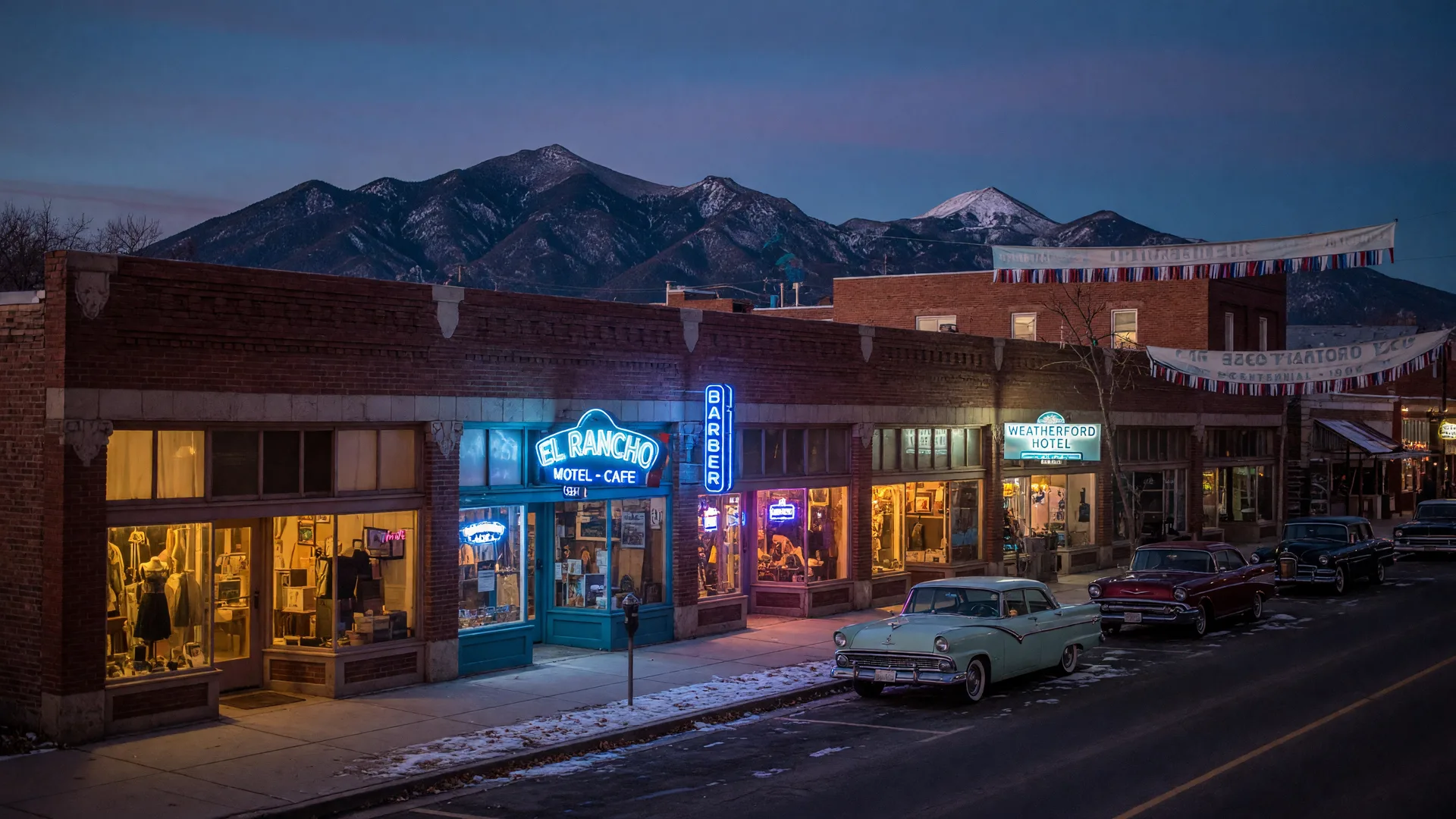
Route 66 was officially established on November 11, 1926, which makes November 11, 2026 the road's 100th birthday. Arizona has been celebrating the centennial as a year-long program, and the momentum has put a spotlight on the commercial corridors that grew up along the Mother Road, especially in Flagstaff and Williams. This post covers what the centennial has meant so far, why Route 66 heritage tourism matters to commercial real estate in Northern Arizona, and what property owners and investors should be watching. The facts below come from published centennial programming and local coverage active in 2026.
A year of centennial momentum
The centennial has been treated as a full-year program rather than a single day. Arizona's Historic Route 66 Association opened the year with its Route 66 Fun Run in early May, and the signature local events followed in June. Flagstaff's Route 66 Centennial Celebration took place June 6, 2026, a free family-friendly festival on Aspen Avenue near Heritage Square with a classic car show, nostalgic reenactments, streetscape chalk art, and family activities, held alongside the Hullabaloo festival at Wheeler Park. In Williams, the Historic Route 66 Car Show on June 5-6, 2026 lined downtown's preserved corridor with roughly 500 classic vehicles, live music, and local food. The road's official anniversary on November 11 caps the year.
The scale of the draw is the point for commercial real estate. Local and regional coverage of the centennial reported that hundreds of thousands of tourists were expected to travel through Arizona during 2026 for the anniversary, and Flagstaff already draws more than five million visitors a year. A year with that kind of added attention puts more eyes, and more feet, on the storefronts and motels that define the Route 66 experience in Northern Arizona.
Why the corridor matters to commercial property
Flagstaff is the only city along Route 66 at roughly 7,000 feet of elevation, and its downtown, with historic storefronts, neon signs, vintage motor lodges, and independent businesses, is consistently billed as one of the most iconic stops on the entire route. Williams, the historic "Gateway to the Grand Canyon," offers a preserved Route 66 corridor where century-old storefronts anchor a working retail and hospitality district. Both towns are tourism economies first, and that demand is what supports the commercial property along their main streets.
For owners and investors, the centennial is a reminder that Route 66 heritage is a durable economic driver, not a one-off event. The corridor supports retail, restaurant, and hospitality uses that depend on visitor traffic, and the historic character of the buildings is itself the asset. Properties that hold their storefront character, signage, and pedestrian appeal tend to stay relevant as tourism grows, which is a meaningful consideration when evaluating a downtown acquisition or a lease repositioning.
What it means for investors and owner-users
The centennial's commercial lesson is about positioning. A storefront on a high-traffic heritage corridor benefits from the same visitor flows that fill the hotels and restaurants around it, so the fundamentals to underwrite are the same ones that matter in any tourism market: pedestrian traffic, parking, tenant mix, and the condition and character of the building itself. The Route 66 brand adds a marketing layer that a well-run business can use, but it does not replace sound underwriting of rent, expenses, and cap rate.
For owner-users, a historic storefront in downtown Flagstaff or Williams offers a working location with built-in visibility and foot traffic. For investors, the appeal is the combination of tourism-driven demand and limited inventory along the corridor. As with any commercial deal, the right approach is to stress-test the numbers, understand the condition and zoning of the property, and set realistic expectations on value based on what the income stream actually supports.
The winter season behind the milestone
The centennial lands in a year that also highlights how much of Flagstaff's economy rides on the seasons. Winter tourism is one of the city's most important economic drivers, and the 2025-26 season was a reminder of how exposed that model is: Flagstaff finished that winter roughly 20 inches below normal snowfall, and Arizona Snowbowl closed the season with 150 inches of snow and 139 ski days, below its long-run average, before briefly reopening for two bonus days after a late storm. For commercial property tied to hospitality and retail, a strong winter matters as much as a strong centennial, and both are reasons to underwrite tourism demand carefully rather than assume it.
For buyers and investors looking at property along the Route 66 corridor, the practical takeaway is to evaluate both the visitor economy and the property itself. The centennial is generating attention and traffic right now, but the value of a commercial asset rests on its location, its condition, and the income it can reliably produce across the full year, winter included.
The bottom line
Route 66's 100th anniversary has made 2026 a banner year for heritage tourism in Northern Arizona, and it has put a fresh spotlight on the commercial corridors in Flagstaff and Williams that grew up along the Mother Road. For property owners, the centennial is a reminder that the historic character of a storefront is a real asset. For investors and owner-users, it is a reason to look closely at downtown commercial property, while still underwriting the fundamentals that determine value in any market.
If you are evaluating commercial property along the Route 66 corridor, in downtown Flagstaff, or in Williams, Mike Konefal can help you work through the numbers. For more on the corridor, see the Route 66 commercial property guide and the Williams commercial real estate overview on this site, along with an earlier look at why investors are watching Williams.
Sources
- Route 66 Centennial Celebration in Flagstaff, flagstaff.com (flagstaff.com)
- Route 66 Centennial in Downtown Flagstaff, Downtown Flagstaff (downtownflagstaff.org)
- "Route 66 Centennial will be celebrated June 6 in Flagstaff," Discover Flagstaff (flagstaffarizona.org)
- "100 Years of Route 66," Historic Route 66 Association of Arizona (historic66az.com)
- "Route 66 Centennial Events in Arizona," Historic Route 66 Association of Arizona (historic66az.com)
- "Route 66 turns 100 with Arizona celebrations," Axios Phoenix (axios.com)
- "A Mother Road milestone: How to celebrate the Route 66 centennial in Flagstaff and beyond," Arizona Daily Sun (azdailysun.com)
- "Flagstaff received less snow this winter, making things tough for its tourism industry," KJZZ (kjzz.org)
- "Unseasonably warm winter leaves Flagstaff 20 inches below normal snow levels," AZFamily (azfamily.com)
- Arizona Snowbowl, 2025/26 Season Recap (snowbowl.ski)
Event dates, attendance figures, and tourism statistics are drawn from the sources above as published in 2026 and can change. Figures are provided for information only and are not a guarantee of future visitor traffic, occupancy, or property performance.

Mike Konefal
Commercial Real Estate Agent · Coldwell Banker Northland Realty
Looking at commercial property along the Route 66 corridor or elsewhere in Northern Arizona? Contact Mike for a conversation about your situation.
Contact Mike Konefal